Category Archives: Info Articles

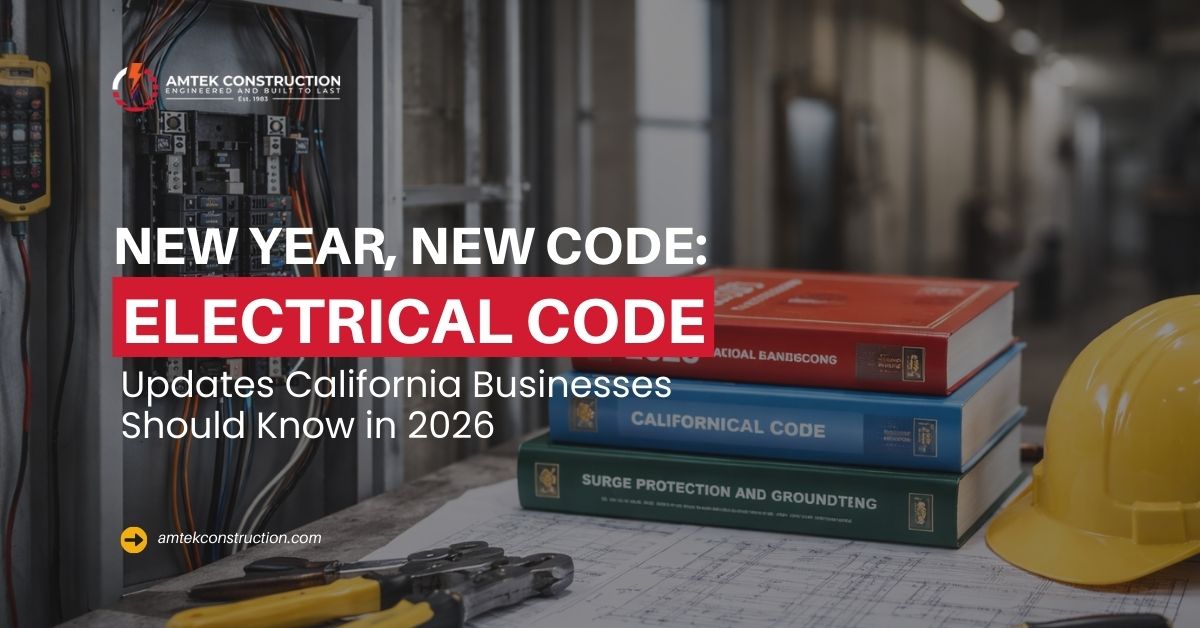
New Year, New Code: Electrical Code Updates California Businesses Should Know in 2026

As 2026 begins, California businesses face an important responsibility: ensuring their electrical systems meet updated safety, performance, and compliance standards. Electrical codes continue to evolve to address new technology, higher energy demand, and emerging safety risks — and commercial properties in Los Angeles are no exception.

That’s why experienced electrical contractors Los Angeles strongly encourage businesses to start the year by reviewing electrical code updates and evaluating how they impact existing systems, recent upgrades, and future projects.

Below are the key electrical code changes and compliance considerations California businesses should understand in 2026 — and how to stay ahead.

Why Electrical Code Updates Matter More in 2026

Electrical systems are under more pressure than ever. EV chargers, smart building technology, high-efficiency HVAC systems, and expanded lighting loads all add complexity to commercial electrical infrastructure.

For Los Angeles businesses, code compliance is critical to:

  • Passing inspections
  • Avoiding fines or project delays
  • Reducing liability exposure
  • Protecting employees, customers, and equipment

Many of these risks are first identified during Year-End Electrical Inspections: What Commercial Buildings Should Address Before 2026, making early-year compliance planning essential.

Panel Capacity and Load Calculation Updates

One of the most significant areas of focus in recent code updates involves electrical panel capacity and load calculations.

What’s changing in 2026:

  • Stricter requirements for calculating present and future electrical loads
  • Greater scrutiny of panel labeling and circuit identification
  • Increased emphasis on expansion readiness for new equipment and EV infrastructure

Businesses that added equipment over time without upgrading panels may now be out of compliance. This issue is commonly flagged in Planning Commercial Electrical Upgrades for 2026: What Orange County Businesses Should Budget for Now, which explains how outdated panels limit growth and increase safety risks.

Professional electrical contractors in Los Angeles can perform updated load studies to determine whether panel upgrades are required.

Grounding, Bonding, and Surge Protection Requirements

Grounding and surge protection continue to receive increased attention from California inspectors and enforcement agencies.

Key updates include:

  • More precise grounding continuity standards
  • Enhanced bonding requirements for commercial equipment
  • Stronger expectations for whole-building surge protection

With businesses relying heavily on sensitive electronics, these protections are no longer optional. Surge-related risks and mitigation strategies are also discussed in Common Electrical Failures Businesses Experience During the Holidays — and How to Prevent Them, where inadequate surge protection leads to costly downtime.

EV Charger and Future Infrastructure Compliance

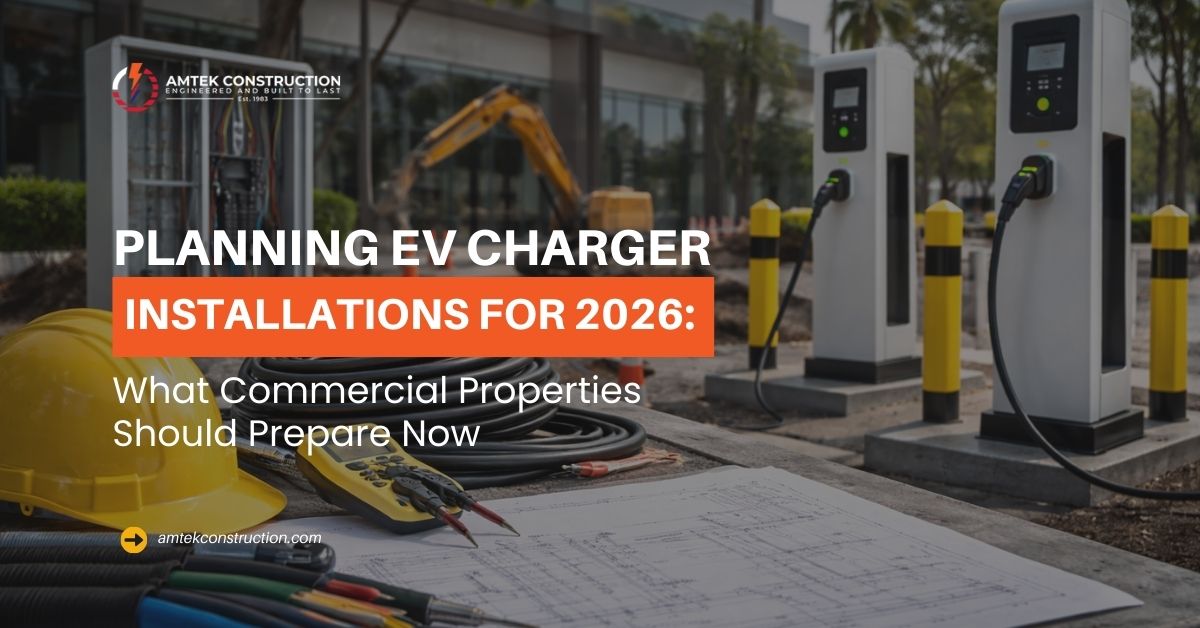
EV infrastructure has become a core consideration in commercial electrical planning across California. Even when chargers are not being installed immediately, many commercial properties are now expected to demonstrate EV-ready electrical capacity as part of long-term compliance and development planning.

Key 2026 compliance considerations include:

  • Dedicated circuit and conduit pathways for future EV chargers
  • Electrical panel and transformer capacity planning
  • Proper grounding, bonding, and surge protection for charging infrastructure
  • Coordination with local utilities and permitting authorities

Addressing EV readiness early allows businesses to avoid costly retrofits, permitting delays, and capacity limitations as EV adoption continues to grow. Working with a licensed electrical contractor in Los Angeles ensures EV infrastructure planning meets current code requirements while remaining flexible for future expansion.

Documentation, Labeling, and Inspection Readiness

Code compliance is not only about equipment — documentation is now a major inspection focus.

Inspectors increasingly expect:

  • Accurate and updated panel schedules
  • Clearly labeled circuits
  • Current as-built drawings
  • Complete maintenance and inspection records

Missing or outdated documentation can delay approvals or trigger re-inspections. These issues are frequently uncovered during
Year-End Electrical Inspections: What Commercial Buildings Should Address Before 2026, reinforcing the importance of recordkeeping.

How Los Angeles Businesses Should Respond

Rather than reacting to failed inspections or violations, Los Angeles businesses should take a proactive approach early in 2026:

  • Schedule code-compliance evaluations
  • Review panel capacity and grounding systems
  • Update documentation and labeling
  • Align electrical upgrade plans with new code standards

Partnering with experienced electrical contractors Los Angeles helps businesses stay compliant, reduce risk, and plan upgrades strategically instead of under pressure.

Final Thoughts

New electrical codes are not obstacles — they are safeguards designed to protect people, property, and long-term operations. As 2026 begins, California businesses that understand and adapt to code updates position themselves for safer, more efficient growth.

By working with trusted electrical contractors in Los Angeles, commercial property owners can move into the new year confident their systems are compliant, future-ready, and built to support what comes next.

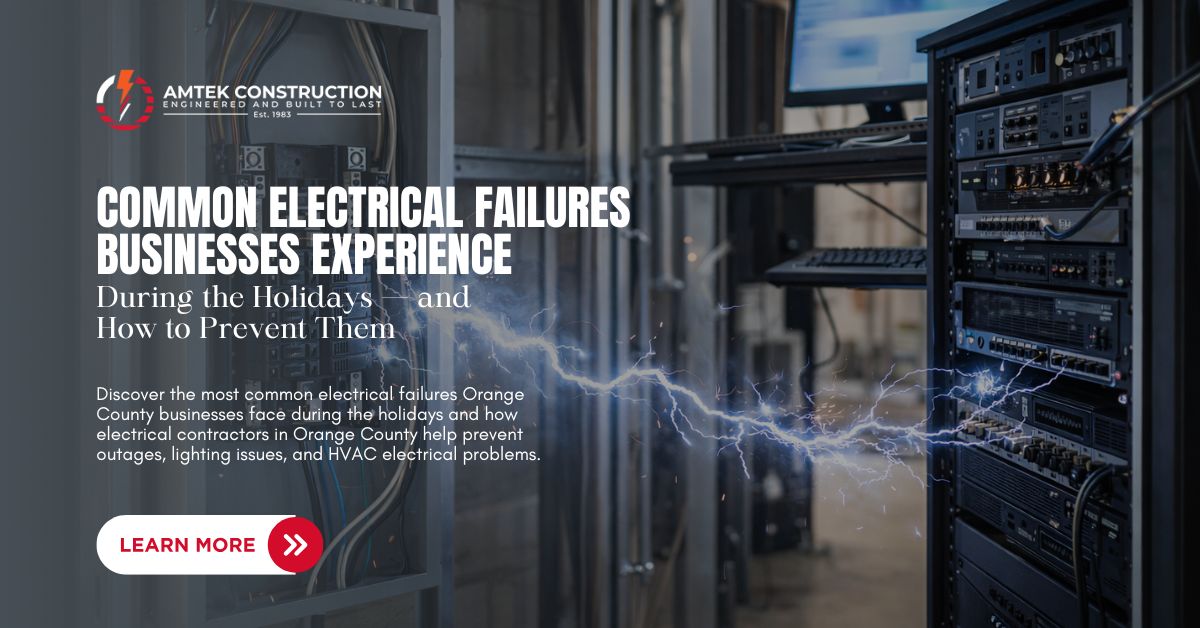
Common Electrical Failures Businesses Experience During the Holidays — and How to Prevent Them

The holiday season is one of the busiest times of year for businesses throughout Orange County. Extended operating hours, seasonal lighting, increased HVAC usage, and higher foot traffic all place additional strain on commercial electrical systems.

As a result, experienced electrical contractors in Orange County CA consistently see a spike in preventable electrical failures during the holidays. Understanding these issues — and addressing them proactively — helps businesses stay operational, safe, and profitable during peak season.

Below are the most common holiday-related electrical problems and how to prevent them.

Overloaded Circuits from Seasonal Power Demand

Why it happens:
Holiday décor, temporary displays, space heaters, and longer business hours increase electrical demand. Many commercial buildings were not originally designed to handle these seasonal load spikes.

These overload-related problems are frequently identified during year-end electrical inspections, especially when panels and circuits are already operating near capacity.

Common warning signs:

  • Repeated breaker trips
  • Flickering or dimming lights
  • Warm outlets or electrical panels

How to prevent it:

Proactive circuit management reduces downtime and helps businesses avoid emergency repairs during the busiest weeks of the year.

Lighting Failures Inside and Outside the Building

Why it happens:
Shorter daylight hours mean increased reliance on artificial lighting. Holiday lighting and exterior signage further strain aging fixtures and wiring.

Lighting inefficiencies are also commonly addressed when businesses pursue smart energy upgrades to reduce utility costs and improve reliability during high-usage months.

Common issues:

  • Burned-out ballasts or drivers
  • Failed exterior lighting and parking lot lights
  • Tripped lighting circuits

How to prevent it:

  • Upgrade to energy-efficient LED lighting
  • Inspect exterior conduits and weatherproof enclosures
  • Install timers and occupancy sensors to reduce unnecessary usage

Licensed electrical contractors in Orange County can identify lighting vulnerabilities before they affect safety or visibility.

HVAC Electrical Faults During Increased Seasonal Use

Why it happens:
While Orange County winters are mild, temperature fluctuations cause HVAC systems to cycle more frequently. Electrical components such as contactors, relays, and control wiring are common failure points.

HVAC-related electrical stress is often revealed during rainy-season electrical safety evaluations, especially when moisture exposure accelerates wear.

Typical HVAC electrical issues:

  • Blown fuses
  • Tripped breakers
  • Control system malfunctions

How to prevent it:

  • Inspect HVAC electrical connections before the holiday season
  • Ensure circuits are properly sized for heating demand
  • Replace worn electrical components proactively

Preventive HVAC electrical maintenance supports comfort, efficiency, and system longevity.

Power Surges and Sensitive Equipment Damage

Why it happens:
Higher electrical usage increases the risk of internal power surges, which can damage POS systems, computers, security systems, and networking equipment.

Many of these risks are reduced when businesses implement recommendations uncovered during end-of-year electrical maintenance and energy audits.

How to prevent it:

  • Install whole-building surge protection
  • Use surge-rated outlets for sensitive equipment
  • Coordinate surge protection with backup power systems

Surge protection is a critical element of commercial electrical safety that is often overlooked until costly damage occurs.

Why Holiday-Season Electrical Inspections Matter

Most holiday electrical failures don’t happen without warning — they result from small issues that were never addressed. Scheduling commercial electrical inspections in Orange County before the holidays allows businesses to:

  • Identify overloaded circuits
  • Detect failing breakers or panels
  • Improve safety and code compliance
  • Avoid unexpected shutdowns during peak operations

These inspections also support better planning for upgrades and capacity improvements, as outlined in planning commercial electrical upgrades for 2026.

Final Thoughts

The holiday season should be focused on serving customers — not dealing with electrical emergencies. By working with experienced electrical contractor Orange County professionals, businesses can prevent common seasonal failures and protect their operations during peak demand.

Proactive maintenance today leads to safer buildings, fewer disruptions, and a stronger start to the new year.

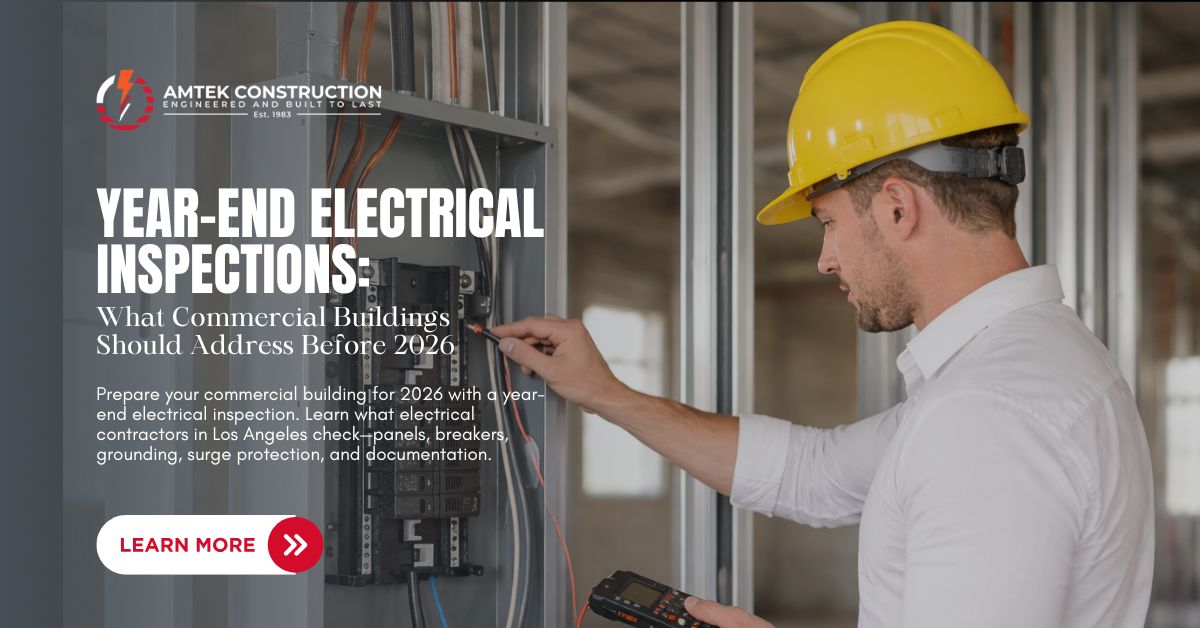
Year-End Electrical Inspections: What Commercial Buildings Should Address Before 2026

As the year comes to a close, Los Angeles businesses enter one of the most critical windows for electrical inspections and preventive maintenance. After months of increased energy usage from summer cooling, fall operations, and winter lighting and HVAC demands, commercial electrical systems are often operating under stress—sometimes without obvious warning signs.

This is why experienced electrical contractors in Los Angeles strongly recommend scheduling year-end commercial electrical inspections. These inspections identify safety risks, prevent downtime, and ensure your building is ready for 2026 without unexpected failures or compliance issues.

Below are the key areas every commercial building should address before the new year.

1. Electrical Panels: Capacity, Condition, and Compliance

Why it matters:
Electrical panels are the heart of your building’s power system. Over time, panels can become overloaded, outdated, or unsafe—especially as businesses add new equipment, technology, or EV chargers.

What inspectors look for:

  • Signs of overheating, corrosion, or wear
  • Panels operating beyond designed capacity
  • Outdated or non-compliant panel components
  • Proper labeling and circuit organization

If panels are undersized or deteriorating, commercial electrical inspections in Los Angeles often reveal the need for upgrades before failures occur.

This type of proactive planning aligns with strategies discussed in How AMTEK Construction Helps Businesses Avoid Costly Electrical Mistakes This Fall.

2. Breakers and Circuit Load Distribution

Why it matters:
Frequent breaker trips are often dismissed as minor annoyances—but they’re usually warning signs of overloaded circuits or failing breakers.

What inspectors evaluate:

  • Breaker condition and responsiveness
  • Balanced load distribution across circuits
  • Dedicated circuits for high-demand systems (HVAC, lighting, servers)
  • Compatibility with modern electrical loads

Los Angeles businesses that ignore breaker issues risk downtime during peak operations or early 2026 ramp-ups.

3. Grounding and Bonding Systems

Why it matters:
Grounding protects people, equipment, and buildings from electrical faults. Inadequate grounding increases shock risk, equipment damage, and code violations—especially after months of humidity and rain exposure.

What inspectors check:

  • Grounding continuity and resistance
  • Bonding of panels, conduits, and equipment
  • Compliance with NEC and LADBS requirements
  • Protection for outdoor and rooftop electrical components

Grounding inspections are especially important following rainy-season exposure, as outlined in Preparing for Rainy Season: Electrical Safety Tips for Commercial Buildings in Orange County.

4. Surge Protection and Power Quality

Why it matters:
Power surges don’t only come from lightning—they’re often caused by utility fluctuations, equipment cycling, or internal load changes. Over time, surges silently damage electronics and control systems.

What inspectors assess:

  • Presence of whole-building surge protection
  • Condition of existing surge devices
  • Protection for sensitive equipment and control panels
  • Coordination between surge protection and backup power systems

Surge protection is a critical companion to energy-efficiency upgrades and backup systems discussed in Smart Energy Upgrades to Lower Commercial Utility Bills This Winter.

5. Documentation, Labeling, and Code Compliance

Why it matters:
Outdated documentation creates confusion during emergencies, inspections, renovations, or future upgrades. Poor labeling alone can slow response times and increase risk.

What should be reviewed:

  • Panel schedules and circuit labels
  • As-built drawings and inspection records
  • Maintenance logs and testing documentation
  • Code compliance status for recent upgrades

Professional electrical contractors Los Angeles ensure all documentation is current, accurate, and inspection-ready—saving time and money when projects or audits arise.

6. Why Year-End Electrical Inspections Matter More Than Ever

Scheduling commercial electrical inspections in Los Angeles before 2026 allows businesses to:

  • Identify safety hazards before failures occur
  • Prevent downtime during Q1 operations
  • Plan electrical upgrades strategically instead of reactively
  • Budget accurately for panels, circuits, and energy upgrades
  • Enter the new year compliant, efficient, and prepared

Year-end inspections also pair perfectly with electrical audits, helping businesses uncover inefficiencies and plan improvements before tax season and capital planning cycles.

Final Thoughts

Year-end electrical inspections aren’t just a checklist—they’re a strategic investment in safety, reliability, and long-term performance.

By working with experienced electrical contractors in LA, commercial property owners and facility managers can confidently close out the year knowing their systems are safe, compliant, and ready for what 2026 brings.

If your building hasn’t had a comprehensive inspection this year, now is the time to act.

Smart Energy Upgrades to Lower Commercial Utility Bills This Winter

As the winter months approach and the holiday season begins, energy efficiency becomes a top priority for Los Angeles businesses. Shorter days, longer operating hours, and increased heating demands can all drive up utility costs — especially for offices, retail centers, and industrial spaces.

Working with professional electrical contractors in Los Angeles can help you identify and implement smart energy upgrades that save money while maintaining comfort and performance. Here’s how technology-driven improvements like smart lighting, load monitoring, and HVAC automation can make a measurable impact this season.

Why it matters:
Lighting accounts for nearly 30% of a typical commercial building’s energy use — and during winter, when daylight hours are shorter, that percentage climbs even higher.

Smart lighting systems use sensors, timers, and programmable controls to reduce waste and improve efficiency without sacrificing brightness or safety.

How it helps:

  • Occupancy sensors automatically turn lights off in unused areas.
  • Daylight harvesting adjusts indoor lighting based on natural sunlight.
  • Smart scheduling ensures lighting systems operate only during active business hours.
  • LED retrofits use up to 75% less energy and last significantly longer than fluorescent bulbs.

Modern lighting upgrades not only cut costs but also enhance workspace ambiance — improving both energy performance and employee satisfaction.

For additional insights into optimizing your building’s electrical systems, check out Preparing Your Commercial Building for Fall Energy Demands: Tips from the Best Electrical Contractors in Orange County & Los Angeles.

2. Implement Load Monitoring and Energy Management Systems

Why it matters:
Without real-time data, businesses often don’t realize how much electricity is wasted during idle hours or equipment downtime. Load monitoring systems give facility managers the ability to track, analyze, and control energy consumption across departments and devices.

How it helps:

  • Identify peak load periods and adjust equipment use accordingly.
  • Detect inefficient machinery or overworked circuits before they cause downtime.
  • Manage multi-site facilities from one central dashboard.
  • Integrate with smart meters to automate usage reports and energy alerts.

Professional electrical contractors in Los Angeles can install load management systems tailored to your building’s size and electrical capacity — providing data-driven solutions for smarter energy use.

You can learn more about system optimization and planning in How AMTEK Construction Helps Businesses Avoid Costly Electrical Mistakes This Fall.

3. Automate Your HVAC Systems

Why it matters:
Heating and cooling make up nearly half of a commercial building’s energy expenses. During the winter and holiday season, HVAC systems work harder to maintain comfortable indoor temperatures — especially in large office or retail environments.

HVAC automation helps optimize performance by automatically adjusting settings based on occupancy and temperature conditions.

How it helps:

  • Smart thermostats reduce energy use when spaces are unoccupied.
  • Zoning systems direct heat or cool air only where needed.
  • Sensors monitor humidity and airflow to maintain comfort efficiently.
  • Predictive maintenance alerts prevent costly breakdowns and overuse.

Combining HVAC automation with routine electrical maintenance ensures that your system runs safely and at peak efficiency — a strategy detailed further in Energy Efficiency Upgrades Before Winter: Proven Strategies for Orange County Businesses.

4. Integrate Renewable and Backup Power Solutions

Why it matters:
Los Angeles continues to lead in sustainability initiatives, and businesses can benefit from both renewable energy incentives and improved reliability through hybrid systems.

How it helps:

  • Add solar panels or battery storage to offset grid costs.
  • Implement smart transfer switches to automatically shift to backup power during outages.
  • Integrate renewable energy monitoring into existing load management systems.

Renewable upgrades align with California’s sustainability goals while offering long-term energy savings — an investment that can pay for itself through rebates and reduced bills.

5. Partner with Experienced Electrical Contractors in Los Angeles

Why it matters:
Smart energy systems require proper planning, installation, and integration to deliver consistent results. Working with licensed commercial electrical contractors in Los Angeles ensures your upgrades meet local building codes and safety standards.

What they provide:

  • Energy audits and load assessments.
  • Professional installation of smart lighting and HVAC controls.
  • Ongoing maintenance and monitoring support.
  • Compliance with all California Energy Code (Title 24) requirements.

By partnering with specialists who understand Los Angeles’ unique building codes and energy challenges, your business can improve sustainability while maintaining operational efficiency.

Final Thoughts

This winter and holiday season, don’t let rising utility bills cut into your bottom line. Investing in smart energy upgrades — from LED lighting and automation to renewable power systems — allows your business to stay efficient, compliant, and future-ready.

Whether you’re upgrading an existing system or planning new construction, trusted electrical contractors in LA can help you design a solution that reduces costs, supports sustainability, and enhances your building’s performance year-round.

Preparing for Rainy Season: Electrical Safety Tips for Commercial Buildings in Orange County

As the rainy season approaches in Southern California, commercial buildings across Orange County need to be ready for increased humidity, moisture exposure, and unexpected power fluctuations. While the region doesn’t see heavy winter storms, rain and damp conditions can still pose serious electrical safety risks for businesses — from short circuits to damaged conduits and malfunctioning EV chargers.

Professional commercial electrical contractors in Orange County recommend taking proactive steps to weatherproof electrical systems and keep operations running safely throughout the season. Here’s what you should know before the rain starts falling.

1. Inspect and Seal Outdoor Electrical Panels

Why it matters:
Outdoor panels and junction boxes are especially vulnerable to rainwater intrusion. Even small leaks can corrode wiring or trigger short circuits, leading to equipment failure or costly downtime.

What to do:

  • Inspect all exterior panels for cracks, rust, or damaged seals.
  • Apply weatherproof gaskets and ensure doors close securely.
  • Consider adding protective covers or enclosures for panels near roof edges or open walls.

Regular inspections like these should be part of your building’s preventive maintenance plan — as discussed in How AMTEK Construction Helps Businesses Avoid Costly Electrical Mistakes This Fall.

2. Check Conduits, Wiring, and Junction Boxes for Water Exposure

Why it matters:
Conduits exposed to the elements are prime targets for water infiltration, especially when cracks form due to heat and aging. Over time, moisture buildup can cause corrosion and reduce insulation strength.

What to do:

  • Inspect exterior conduits for visible cracks or open joints.
  • Reseal or replace compromised fittings using outdoor-rated materials.
  • Elevate low-mounted junction boxes to minimize flood or puddle contact.

A commercial electrical contractor in Orange County can perform a thorough inspection to identify vulnerable areas before rain causes costly damage.

3. Protect EV Chargers and Outdoor Outlets

Why it matters:
As more businesses add EV charging stations to their parking lots, protecting those installations from moisture becomes essential. Rainwater exposure can lead to short circuits, GFCI tripping, or corrosion in the connectors.

What to do:

  • Ensure EV chargers are installed with proper drainage and weatherproof enclosures.
  • Regularly inspect gaskets, seals, and mounting hardware.
  • Test GFCI and surge protection devices before the rainy season begins.

To learn more about planning and protecting EV infrastructure, visit Planning Your Commercial Parking Lot for EV Chargers: Tips from Electrical Contractors Orange County.

4. Test Grounding and GFCI Systems

Why it matters:
Wet weather increases the likelihood of electrical faults. A properly grounded system ensures excess current flows safely to earth, reducing shock and fire risks. GFCI (Ground Fault Circuit Interrupter) protection is especially important for outdoor or damp locations.

What to do:

  • Have your grounding system tested by licensed commercial electrical contractors in Orange County.
  • Replace any malfunctioning or outdated GFCI outlets.
  • Verify that all outdoor circuits meet NEC and local Orange County code requirements.

A well-grounded electrical system not only improves safety but also ensures compliance — something detailed further in How AMTEK Construction Helps Businesses Avoid Costly Electrical Mistakes This Fall.

5. Schedule a Professional Electrical Safety Inspection

Why it matters:
Preventive inspections can identify hidden risks long before water exposure leads to damage. A professional safety inspection ensures your facility is code-compliant, efficient, and rain-ready.

What to do:

  • Hire commercial electrical contractors in Orange County to conduct a full pre-rainy season inspection.
  • Test main panels, backup power systems, and surge protectors.
  • Document any maintenance performed for recordkeeping and insurance purposes.

A routine inspection from experienced professionals helps safeguard your building’s infrastructure — a principle also emphasized in Preparing Your Commercial Building for Fall Energy Demands: Tips from the Best Electrical Contractors in Orange County & Los Angeles.

6. Bonus Tip: Address Indoor Moisture Sources Too

Why it matters:
Rainy season humidity doesn’t just affect outdoor systems — condensation can also impact indoor electrical rooms, basements, and mechanical areas.

What to do:

  • Maintain proper ventilation and humidity control in electrical rooms.
  • Avoid storing materials that block airflow around panels.
  • Keep dehumidifiers or ventilation systems operational during damp periods.

Final Thoughts

Rainy season preparedness isn’t just about keeping things dry — it’s about ensuring reliability, safety, and compliance across your entire electrical system. By working with commercial electrical contractors in Orange County, your business can:

  • Prevent shorts, corrosion, and power interruptions.
  • Extend the lifespan of panels, conduits, and EV chargers.
  • Maintain compliance with local electrical codes and safety standards.

Don’t wait for the first rain to reveal hidden electrical problems — schedule a comprehensive inspection today and keep your commercial building safe, efficient, and weather-ready all season long.

Call Now Button