Planning for Future Energy Demands: Electrical Contractors’ Role in Preparing Your Business for Growth

As businesses expand and evolve, so too do their energy requirements. Whether you’re adding new equipment, expanding your team, or increasing your product offerings, your electrical system must keep pace. Failing to plan for future energy demands can lead to power disruptions, unsafe conditions, and costly repairs down the road.

In this blog, we’ll explore how electrical contractors play a vital role in preparing businesses for growth by upgrading electrical systems, expanding capacity, and ensuring that your infrastructure can meet the evolving energy needs of your company.

Why It’s Important to Plan for Future Energy Needs

Businesses in Los Angeles and beyond often experience significant growth that increases energy demands. As you add new machinery, office spaces, or equipment, your electrical system may no longer be able to support the higher energy load. This can lead to electrical failures, inefficiencies, and even safety hazards.

Electrical contractors are crucial in helping businesses avoid these pitfalls by planning for the future. Proper energy management and system upgrades can enhance operational efficiency, prevent costly downtime, and provide a solid foundation for growth.

Key Areas Electrical Contractors Focus On to Prepare for Future Energy Demands

1. Circuit and Panel Upgrades

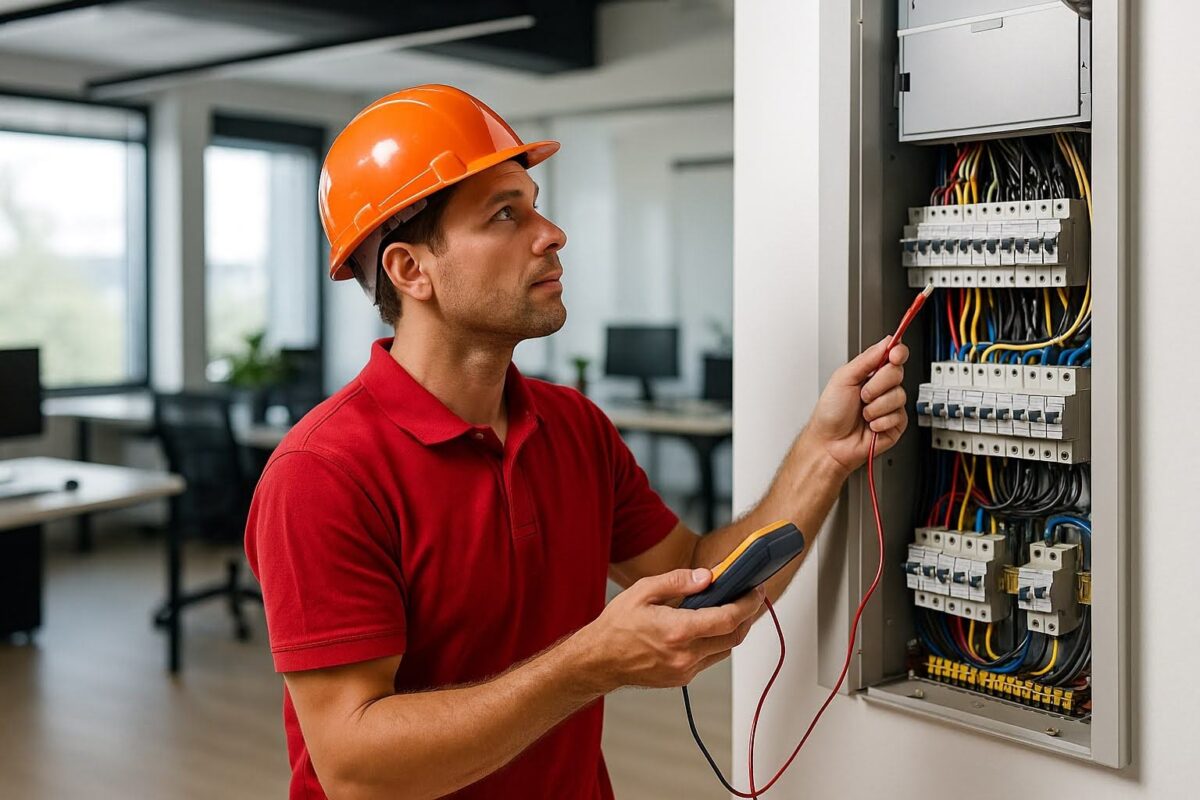
As your electrical load increases, it’s often necessary to upgrade the electrical panel and circuits to meet the new demands. Your electrical panel is the central hub of your electrical system, and if it’s outdated or underpowered, it won’t be able to efficiently distribute electricity to new devices and equipment.

  • Upgrading Electrical Panels: Electrical contractors help replace old panels with newer, higher-capacity ones to ensure that they can safely handle the increased power load. This upgrade is essential for businesses that are adding high-power machinery, air conditioning units, or other electrical systems.
  • Installing Additional Circuits: As businesses add new equipment or expand their operations, additional circuits may be needed. Electrical contractors will install these circuits to ensure that every electrical device has its own dedicated power source, preventing overloading and potential hazards.

2. Energy-Efficient Systems

Implementing energy-efficient systems is one of the smartest ways to manage growing energy demands without significantly increasing energy costs. Upgrading lighting, HVAC systems, and even machinery can reduce energy usage while accommodating future growth.

  • LED Lighting: Transitioning to LED lighting not only cuts down on energy use but also reduces the burden on your electrical system, freeing up capacity for additional equipment.
  • Smart HVAC Systems: Advanced HVAC systems that optimize heating and cooling can help minimize energy consumption, while ensuring that your building remains comfortable and energy-efficient.

3. Electrical Load Analysis

As your business grows, it’s important to regularly assess your electrical load. An electrical load analysis helps determine if your current system can handle the added demands of expansion.

  • Load Balancing: An electrical contractor can assess your current system and ensure that your electrical load is properly distributed across circuits. This will prevent overloading any one part of your system and ensure a smooth operation.
  • Load Monitoring: Installing load monitoring systems allows for real-time tracking of energy consumption, giving you valuable insights into where energy use is highest and where improvements can be made.

4. Upgrading Power Supply

In some cases, your business may need a larger power supply to meet its growing needs. Electrical contractors can help assess whether your current connection from the utility provider is sufficient or if an upgrade is required.

  • Upgrading Service: If your business is expanding significantly, you may need to upgrade your service entrance to increase your power capacity. This ensures that your electrical system receives enough power to meet future demands without risk of overloading.

The Role of Electrical Contractors in Supporting Business Growth

Expertise and Experience

Electrical contractors are more than just technicians—they are highly skilled professionals who understand the complexities of modern electrical systems. Whether you’re expanding your commercial space or upgrading your residential electrical system, they will guide you through the process and help you avoid common pitfalls.

Future-Proofing Your Business

Electrical contractors also help future-proof your business. By upgrading to more energy-efficient systems, installing infrastructure that can accommodate future expansion, and ensuring your system is properly maintained, they allow businesses to grow without worrying about their electrical systems becoming outdated.

Conclusion

As your business grows, ensuring that your electrical system is prepared for the increased demand is essential for long-term success. Whether it’s upgrading electrical panels, installing additional circuits, or implementing energy-efficient systems, electrical contractors are vital in helping your business meet future energy needs safely and efficiently.

Partnering with experienced electrical contractors in Los Angeles ensures that your infrastructure can keep up with the growth of your business, minimizing downtime and maximizing efficiency.

Contact us today to discuss how we can help future-proof your electrical systems for your business’s growth.

Electric Vehicle (EV) Charging Stations for Commercial Properties: What You Need to Know

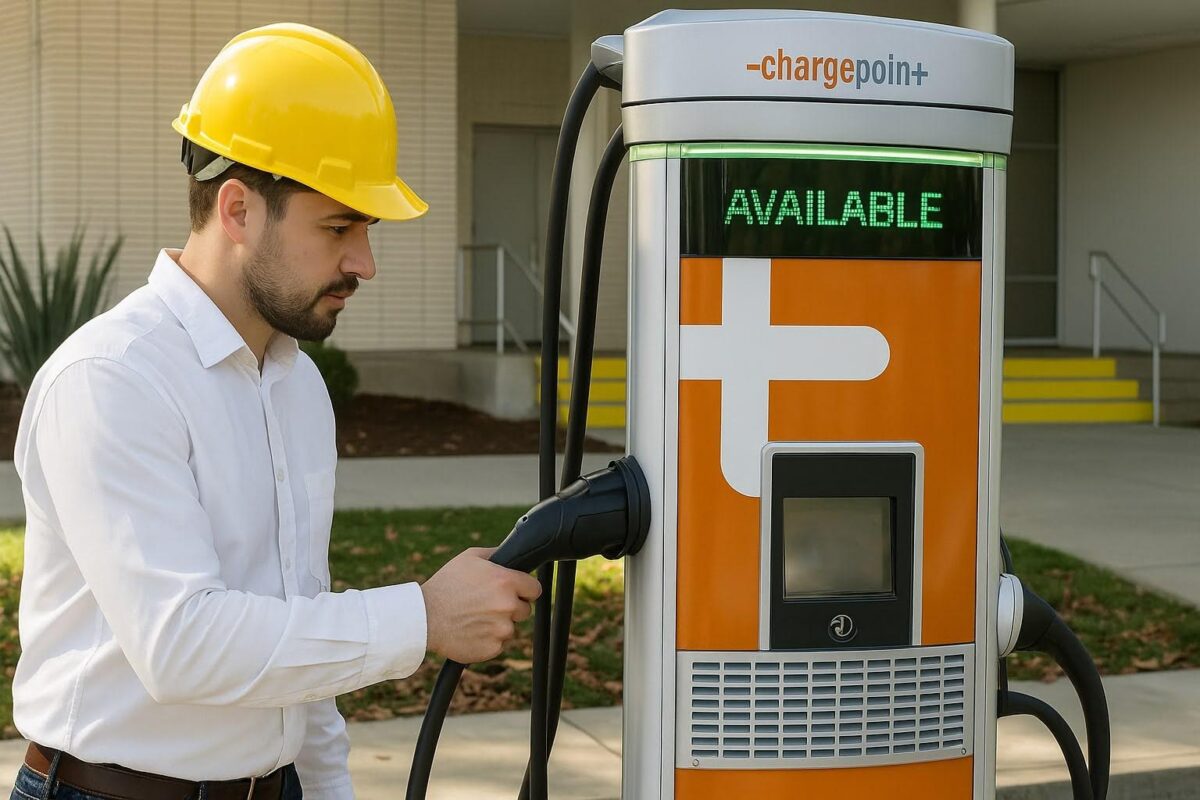
As electric vehicles (EVs) become more popular, the need for reliable and accessible EV charging stations is growing. For businesses, installing EV chargers can not only help meet the rising demand for charging infrastructure but also improve their green credentials, attract eco-conscious customers, and offer a convenient amenity for employees or visitors. However, installing an EV charging station at your commercial property requires careful planning, permits, and technical expertise to ensure that the system is safe and efficient.

This blog will break down the costs, permits, electrical requirements (including circuit needs), and why hiring professional electrical contractors is essential for EV charger installations in your commercial property.


Understanding the Different Types of EV Charging Stations

Before diving into costs and installation, it’s important to understand the types of EV chargers available. There are three main types:

Level 1 Charging

  • Voltage: 120 volts (standard household outlet)
  • Charging Speed: About 4-5 miles of range per hour
  • Best For: Homeowners or businesses with low traffic needing slower charging speeds.
  • Note: Level 1 charging does not typically require major electrical upgrades.

Level 2 Charging

  • Voltage: 240 volts (similar to large appliances like dryers)
  • Charging Speed: About 12-80 miles of range per hour
  • Best For: Commercial businesses, multi-family residential buildings, and workplace charging.
  • Electrical Requirement: Requires a dedicated circuit and potentially an electrical panel upgrade, depending on the current load of your property’s electrical system.

DC Fast Charging

  • Voltage: Direct current (DC), much higher than AC chargers
  • Charging Speed: 60-80 miles of range in just 20 minutes
  • Best For: High-traffic commercial areas or public charging stations.
  • Electrical Requirement: Requires significant electrical infrastructure and heavy-duty electrical panels. It’s the most complex and expensive option to install.


Electrical Requirements for Installing EV Charging Stations

Circuit Requirements

The circuit that powers your EV charging station is one of the most important factors when planning an installation. Below is a general breakdown of the circuit requirements for each charging type:

Level 2 Charging Stations:

  • Circuit Size: A dedicated 240-volt circuit is required, typically a 40-amp circuit for standard chargers. Some may require a 50-amp circuit for faster charging or high-capacity stations.
  • Electrical Panel Upgrades: In some cases, your existing electrical panel may not be able to handle the added load. You may need to upgrade your panel to ensure it can support the new charging station, which could involve installing a new circuit breaker.
  • Wiring: Your electrical contractor will need to install appropriate wiring from the panel to the charging station. Depending on the distance, wiring costs can vary.

DC Fast Charging Stations:

  • Circuit Size: For DC fast charging, the circuit size could range from 100 to 250 amps or more, depending on the charger’s power output.
  • Electrical Panel Upgrades: This type of charging station often requires significant upgrades to your commercial electrical system, including a larger service panel and possible rewiring.
  • Wiring and Connection: Installing DC fast chargers is the most complex. You’ll need specialized wiring and equipment that meets stringent safety and electrical standards.


Costs of Installing EV Charging Stations in Commercial Properties

When planning to install an EV charging station for your commercial property, it’s important to account for the following costs:

  • Equipment Costs:
    • Level 2 Chargers: Typically range from $500 to $2,500 per unit, depending on the brand and features.
    • DC Fast Chargers: Typically range from $10,000 to $40,000 per unit.
  • Installation Costs:
    • Installation costs can vary widely based on the type of charger, the distance from the electrical panel, and any necessary upgrades.
    • Level 2 Installations: Typically cost between $1,000 and $3,000, including labor and equipment.
    • DC Fast Chargers: Installation can cost $10,000 or more, due to the complexity and high-voltage requirements.
  • Electrical Panel Upgrades:
    • If your electrical system needs an upgrade to handle the additional load, the cost could range from $1,500 to $5,000, depending on the extent of the upgrades.
  • Permits and Inspections:
    • Most commercial installations require a permit and inspection, which can cost anywhere from $100 to $500, depending on local requirements.


Permits and Local Regulations

Installing EV chargers in commercial properties requires obtaining the appropriate permits from local authorities. In Orange County, you will need to ensure that the installation complies with both local building codes and state regulations. These codes cover the safety, placement, and electrical capacity of charging stations.

A licensed electrical contractor will help you navigate the permitting process, ensuring that all inspections and regulatory requirements are met.


The Importance of Professional Electrical Contractors for Installation

While you may be tempted to cut costs by hiring a handyman or a general contractor for your EV charging station installation, this is a job best left to licensed electrical contractors. Here’s why:

  • Experience: Professional electrical contractors are familiar with the technical requirements for EV charging stations, ensuring that all systems are installed safely and up to code.
  • Compliance: A licensed contractor ensures your installation meets local regulations, permits, and industry standards, preventing costly mistakes and fines.
  • Long-Term Safety: With the proper installation, maintenance, and upgrades, your EV charging stations will operate safely and efficiently for years to come.


Conclusion

Installing EV charging stations at your commercial property not only positions your business as forward-thinking but also offers a strategic advantage in attracting customers, tenants, and employees who own electric vehicles. Understanding the electrical requirements, costs, and permits involved will ensure a smooth and successful installation.

Contact us today to speak with an expert electrical contractor in Orange County. We can guide you through the process of planning and installing EV charging stations to make your commercial property more sustainable and accessible for the future.

Call us at (562) 414-6852 or email info@amtekconstruction.com for more information.

Why You Shouldn’t DIY Electrical Work: Understanding the Risks and Costs in Los Angeles

Electrical work is often considered a straightforward home improvement project for those who are handy, but DIY electrical work can be risky and costly. While the idea of saving money by doing it yourself may seem appealing, the truth is that improper electrical installations can lead to significant safety hazards, higher repair costs, and potential legal issues.

This blog explores the risks and costs of attempting DIY electrical work in Los Angeles and explains why hiring a professional electrical contractor is a smarter, safer, and more cost-effective choice.

The Risks of DIY Electrical Work

1. Electrical Shock and Personal Injury

One of the most dangerous risks associated with DIY electrical work is the potential for electrical shock. Even if you think you’ve turned off the power, there’s always a chance of electrocution when working with electrical systems, especially if you’re not fully familiar with proper safety protocols.

Electrical shock can cause severe injuries, burns, or even death. Professional electrical contractors in Los Angeles are trained to work safely with electrical systems, using the right tools and techniques to protect themselves and others.

2. Fire Hazards

Faulty electrical installations are one of the leading causes of house fires and commercial building fires. Misconnected wiring, overloaded circuits, and improperly installed outlets can all increase the risk of a fire.

A poorly installed electrical system not only poses a safety risk but can lead to costly damage to your property and belongings. Electrical contractors are trained to ensure all work is up to code, helping to prevent fire risks.

3. Code Violations

Electrical work in Los Angeles (and surrounding areas) is subject to strict electrical codes and regulations. Failure to follow these codes can lead to fines, penalties, or even the inability to sell your home or commercial property in the future.

DIY electrical projects often don’t meet code standards, which can lead to expensive fines or the need to undo the work later to meet compliance. Professional electrical contractors in Los Angeles are familiar with local regulations and ensure that all work complies with building codes.

The Hidden Costs of DIY Electrical Work

1. Potential Property Damage

Improper electrical work can cause more damage than just electrical systems. Incorrect wiring or installations can lead to water damage, fire hazards, or the damage of appliances and other systems in your home or commercial building.

If DIY electrical work goes wrong, you’ll likely need to pay more in repairs than if you had hired a professional contractor to do the job in the first place.

2. Increased Repair Costs

When DIY electrical work is done improperly, you may need to call in a professional electrical contractor to fix the issue. This can lead to higher costs, as contractors will have to correct mistakes made during the DIY work and bring the system up to code.

Sometimes, the damage caused by improper installations is so severe that it can require a complete overhaul of the electrical system, leading to major costs.

3. Impact on Insurance

Many insurance policies may not cover damages caused by DIY electrical work. If something goes wrong, and the damage was caused by improper electrical installations, your insurance may not pay for repairs or replacements.

Why Hiring a Professional Electrical Contractor is the Better Choice

1. Expertise and Training

Professional electrical contractors in Los Angeles are highly trained and certified. They have extensive knowledge of electrical systems and safety protocols, ensuring that all work is done correctly the first time. Electrical work isn’t just about fixing wires—it’s about understanding how power flows, how to prevent overloads, and how to install systems that will last.

2. Safety

The safety of you, your family, and your property is the primary concern of a professional electrical contractor. They will ensure that all work is done safely, protecting both the building and anyone who may come into contact with electrical systems.

3. Long-Term Savings

Hiring a professional may seem more expensive upfront, but it will save you money in the long run. A professional electrician ensures that the job is done right the first time, preventing costly repairs and replacements down the line. Plus, contractors have access to quality materials and tools that DIYers might not have.

4. Compliance and Permits

Professionals handle all the paperwork required for permits and ensure that all work is compliant with local codes. This not only saves time but ensures your electrical systems are safe, and you avoid any potential issues down the line.

The Smart Choice for Your Electrical Projects

While the idea of DIY electrical work may seem tempting, the risks far outweigh the benefits. From safety hazards and property damage to code violations and repair costs, trying to tackle electrical work on your own can end up costing you more in the long run.

Hiring a professional electrical contractor ensures your electrical work is completed safely, correctly, and to code. Electrical contractors in Los Angeles have the knowledge, skills, and tools needed to handle any electrical issue efficiently.

Ready to get your electrical project done the right way?

Call a professional electrical contractor in Los Angeles today. Don’t take unnecessary risks—ensure the safety and reliability of your electrical system with the help of an expert.

Contact us now at (562) 414-6852 for a consultation!

Cost-Effective Ways to Upgrade Your Electrical System in Orange County This Summer

As the summer heat rolls in and energy demands increase, it’s the perfect time to consider upgrading your electrical system—whether you’re a homeowner or a business owner in Orange County. With the warmer months bringing higher cooling demands and potential electrical system strain, ensuring your system is running efficiently and safely is a smart move. Upgrading your electrical system not only helps manage the summer heat more effectively but also saves money and boosts the safety of your property.

In this blog, we’ll break down cost-effective methods to upgrade your electrical system, helping you save on installation costs while increasing the energy efficiency of your home or business.

Why Should You Upgrade Your Electrical System in Summer?

The summer season brings higher energy usage, particularly when air conditioning systems are running continuously to keep your building cool. Additionally, increased outdoor activities and gatherings often mean more electrical appliances, lighting, and power sources are in use. This makes summer the perfect time to upgrade your system before the heavy usage takes its toll.

Upgrading your electrical system now means you’re better prepared to handle the demands of summer, reduce energy costs, and ensure your system is safe and efficient.

Cost-Effective Upgrades for Your Electrical System

Here are some cost-effective electrical upgrades that can help you get the most out of your system this summer:

1. Upgrade to LED Lighting

Switching from traditional incandescent bulbs to LED lighting is one of the most cost-effective upgrades for both homes and businesses. LED lights use up to 75% less energy, last longer, and produce less heat compared to older light bulbs, making them ideal for reducing cooling costs during the summer.

Cost Estimate:
Upgrading to LED lighting typically costs around $100 to $300 per room, depending on the size of the area and the number of fixtures.

2. Install a Programmable Thermostat

A smart thermostat can optimize your heating and cooling system by adjusting the temperature based on occupancy and time of day. These systems can reduce energy consumption by making sure you’re not cooling an empty house or office during the day. This is especially beneficial during the summer months when air conditioning usage is at its highest.

Cost Estimate:
Smart thermostats typically cost between $100 and $250 to install. However, the savings on your energy bill will help offset this cost over time.

3. Electrical Panel Upgrades

If your electrical panel is outdated, it may not be able to handle the modern energy demands of your home or business. Upgrading your electrical panel ensures that your system can handle the increased load from air conditioners, smart home systems, and additional electrical appliances used during the summer months.

Cost Estimate:
Upgrading an electrical panel can cost anywhere from $1,000 to $3,000 or more, depending on the size of the panel and the complexity of the installation.

4. Install Surge Protection

Summer thunderstorms can cause power surges that could potentially damage sensitive electronic devices or your entire electrical system. Installing a whole-house surge protector can prevent this damage, protecting everything from air conditioning units to computers.

Cost Estimate:
A whole-house surge protector typically costs between $300 and $500 to install.

5. Electrical Wiring Updates

Older properties often have outdated wiring, which can lead to overheating and power failures during the summer. Upgrading the wiring can improve your electrical system’s capacity, efficiency, and safety. This upgrade is particularly important if you’re planning on adding new electrical appliances or air conditioning units.

Cost Estimate:
Rewiring a home or commercial space can cost anywhere from $2,000 to $8,000, depending on the size and complexity of the project.

How to Budget for Electrical Work This Summer

Q1: How much is an electrical contractor’s cost per hour in Orange County?

Answer:
The average hourly rate for electrical contractors in Orange County ranges from $75 to $150 per hour, depending on the scope of the work and the contractor’s experience. More specialized tasks or emergency services may come with higher rates.

Q2: Do electrical contractors charge extra for emergency work during summer?

Answer:
Yes, many electrical contractors charge higher rates for emergency services, especially if the work is required after hours or during weekends. Rates may increase by 50% to 100% for emergency calls, so it’s best to ask about these charges upfront.

Q3: How do I ensure I’m getting a fair deal for my electrical upgrades?

Answer:
To ensure you’re getting a fair deal, ask for a detailed breakdown of the estimate, including labor, materials, permits, and any other potential costs. It’s also advisable to get multiple quotes from different contractors to compare pricing. Transparency is key.

Conclusion

Upgrading your electrical system during the summer months in Orange County ensures that you are not only ready to tackle the seasonal electrical demands but also save money and increase the safety of your home or business. By investing in upgrades such as LED lighting, smart thermostats, and electrical panel replacements, you’ll be well-prepared to handle the heat while keeping costs down.

Ready to upgrade your electrical system? Contact us today for an evaluation of your electrical needs and get started on a more energy-efficient future this summer.

Call (562) 414-6852 to schedule an appointment with one of our expert electrical contractors in Orange County.

How to Budget for Electrical Work: Understanding Pricing for Common Electrical Projects in Los Angeles

Whether you’re a homeowner or a business owner in Los Angeles, understanding how to budget for electrical work can save you from unexpected expenses and ensure your project is completed on time and within budget. Electrical projects can range from small repairs to large installations, each with varying costs. Knowing typical price ranges for common electrical services can help you plan effectively and avoid surprises.

In this blog, we will guide you through how to budget for electrical work, focusing on electrical contractors in Los Angeles and providing insight into the costs associated with common commercial and residential electrical projects.

1. Types of Electrical Work and Their Costs

Electrical projects can vary greatly depending on the type of work involved. Understanding what to expect in terms of cost is essential for setting a realistic budget.

a. Residential Electrical Work

For homeowners, electrical work might include everything from installing light fixtures to upgrading electrical panels. Below are some typical projects and their associated costs:

  • Electrical Panel Upgrade: An upgrade to a larger electrical panel, which may be necessary for homes with outdated systems or to accommodate modern appliances, typically costs between $1,000 and $3,000.
  • Lighting Installations: The cost to install or replace lighting fixtures ranges from $100 to $500, depending on the type of light and location. Smart lighting installations can cost more, with prices ranging from $200 to $1,000.
  • Electrical Wiring for New Rooms: If you’re adding new rooms or remodeling, the cost to install new wiring can range from $1,500 to $4,000 or more, depending on the size and complexity of the project.

b. Commercial Electrical Work

 For businesses, electrical work often involves larger projects such as system upgrades or wiring for new installations. Here’s what you can expect for common commercial electrical projects:

  • Electrical System Upgrades: Upgrading the electrical system to accommodate new equipment or increase power capacity for a commercial space may cost anywhere from $3,000 to $15,000, depending on the size of the building and the complexity of the upgrade.
  • Installation of Lighting Systems: The installation of lighting systems for commercial spaces such as office buildings, retail stores, or restaurants typically ranges from $2,000 to $10,000 or more.
  • Energy Management Systems: Installing energy-efficient systems or smart energy management systems can cost between $5,000 and $30,000, depending on the size of the building and the specific systems installed.

2. Labor Costs: What to Expect

Labor is often the largest portion of your electrical bill. Electrical contractors in Los Angeles typically charge an hourly rate for labor, which can range from $75 to $150 per hour, depending on the complexity of the work and the contractor’s experience. For specialized or high-demand projects, the rate could be higher.

For residential projects, contractors may also offer flat-rate pricing for common tasks, such as installing a ceiling fan or upgrading an outlet. For commercial projects, however, labor costs are usually calculated by the hour, and the total cost can increase depending on the duration and difficulty of the work.

3. Materials and Equipment Costs

In addition to labor, materials and equipment play a significant role in the total cost of electrical work. The price of materials can vary depending on the quality and type of equipment you choose. Here’s an overview of some typical materials used in electrical work:

  • Wiring: High-quality copper wiring costs more but is more durable. The average price for electrical wiring can range from $1 to $3 per foot.
  • Electrical Panels: The cost of upgrading or replacing an electrical panel depends on the type and size of the panel. A standard residential panel typically costs between $500 and $1,500, while larger panels for commercial projects can cost upwards of $5,000.
  • Lighting Fixtures: Standard lighting fixtures range from $20 to $300, while designer or energy-efficient models can cost significantly more.
  • Smart Technology: Smart home and business technology, like smart thermostats and lighting controls, can cost anywhere from $100 to $500 or more, depending on the brand and functionality.

4. Permits and Inspections

For larger projects, you may need to obtain a permit from the city or county. The cost of permits varies by location and project type but generally ranges from $50 to $500 or more, depending on the scope of the work.

In Los Angeles, electrical contractors typically handle the permit process for you. However, it’s essential to confirm whether this cost is included in the project estimate. Additionally, certain projects, such as major panel upgrades or rewiring, may require an inspection to ensure the work is up to code. This can add extra costs, so be sure to include inspection fees in your budget.

5. Hidden Costs: What to Watch For

While most electrical contractors provide estimates upfront, there may be hidden costs that arise during the project. These can include:

  • Upgrades to Electrical Systems: If the electrical system is outdated or not up to code, additional upgrades may be necessary to ensure safety and efficiency.
  • Unforeseen Repairs: Issues like faulty wiring or damaged electrical components might not be identified until the work is underway. It’s crucial to have a buffer in your budget for such surprises.
  • Emergency Work: If you need electrical work done urgently or outside of regular business hours, you may face higher labor rates.

To avoid hidden costs, ensure your contractor provides a comprehensive estimate that includes potential contingencies and always ask for clarification on anything that seems unclear.

How to Budget Effectively for Electrical Work

  1. Get Multiple Quotes
    It’s always wise to get several quotes from different electrical contractors in Los Angeles. Comparing prices will give you a better idea of what the going rates are for the work you need done.
  2. Plan for Additional Costs
    Add a 10-20% buffer to your budget to account for unexpected expenses, including hidden repairs or additional materials.
  3. Prioritize Projects
    If your budget is limited, prioritize the most essential electrical work first. For example, focus on upgrading the electrical panel or fixing safety hazards before adding luxury upgrades like lighting fixtures or smart home systems.

Conclusion

Understanding the costs involved in electrical work, from labor and materials to permits and hidden fees, is essential for effective budgeting. Whether you’re a homeowner or business owner in Los Angeles, working with an experienced electrical contractor will ensure your electrical projects are completed safely, on time, and within budget.

By planning carefully and choosing the right contractor, you can make informed decisions and avoid unnecessary expenses. Contact a trusted electrical contractor in Los Angeles today to discuss your project and get a clear, detailed estimate.

Call Now Button