
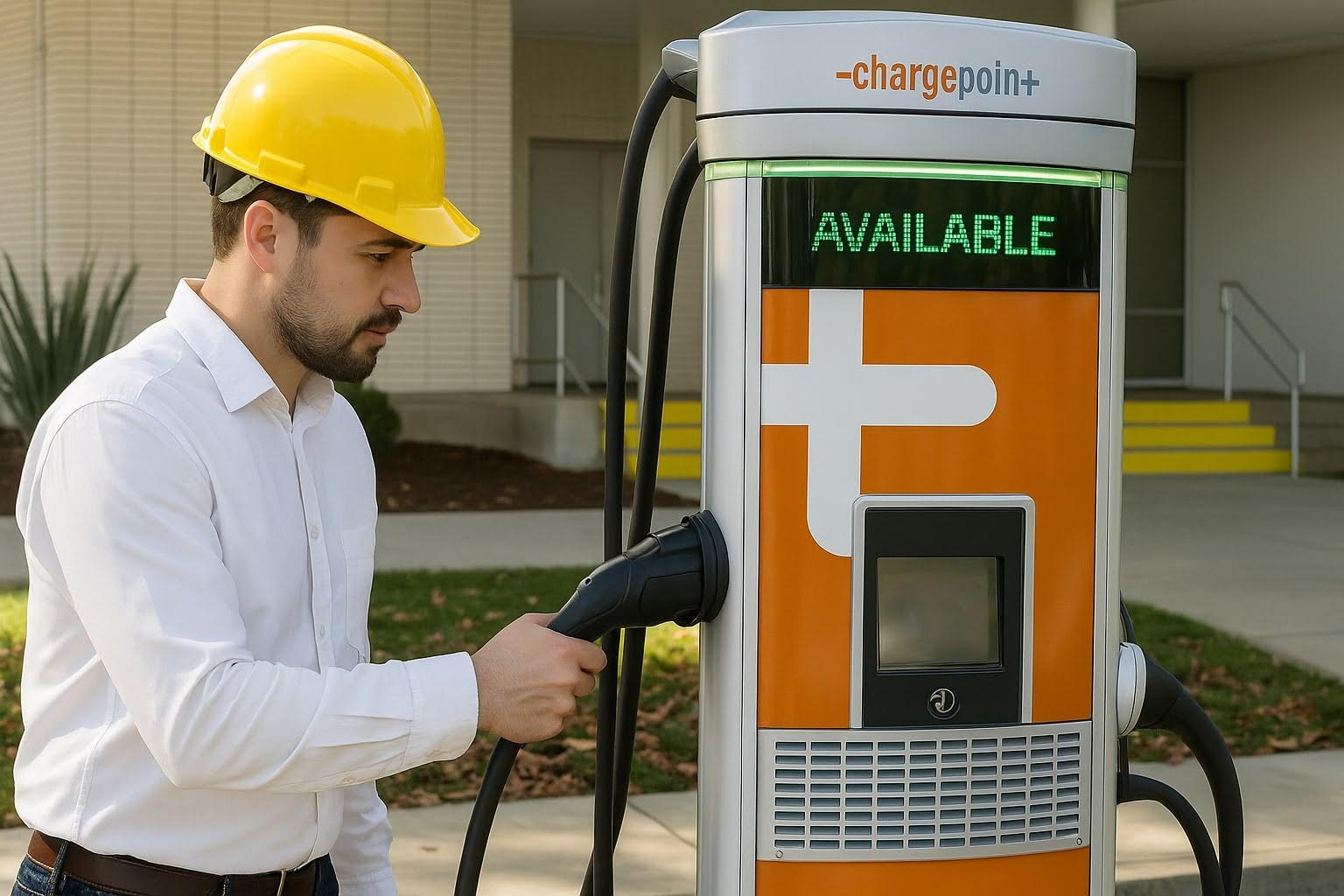
With the rapid rise of electric vehicles (EVs), commercial properties like offices, hotels, and shopping centers are increasingly adding EV charging stations to their parking lots. Installing EV chargers isn’t just about convenience—it’s about safety, efficiency, and compliance with local regulations. Licensed electrical contractors in Orange County can ensure your installation meets all standards while maximizing functionality and future-proofing your property.
Here’s what businesses need to know before installing EV chargers in their commercial parking lots.
1. Compliance with Safety Codes
Installing EV chargers in a commercial parking lot requires adherence to multiple layers of electrical codes. All installations must meet National Electrical Code (NEC) standards, particularly Article 625, which covers electric vehicle charging systems, including wiring methods, grounding, and disconnecting means.
California also has its own California Electrical Code (CEC)—adopted as part of the California Building Standards Code—which modifies and enhances the NEC for state-specific safety. The CEC includes stricter rules for ground-fault protection, labeling, conduit sizing, and inspection protocols for commercial EV charging installations.
Local jurisdictions in Orange County may add further permitting and inspection requirements to ensure safety and fire code compliance. By hiring licensed electrical contractors in Orange County, your installation will:
- Meet all NEC Article 625 requirements for safe EV charging.
- Comply with California Electrical Code (CEC) rules and local Orange County amendments.
- Pass inspections and permitting checks without costly delays or safety hazards.
2. Choosing the Right EV Charger for Your Commercial Property
Not all EV chargers are created equal. Your choice depends on the property type, expected traffic, and vehicle types.
- Level 2 Chargers: Perfect for office parking lots or hotels where vehicles stay parked for several hours. They offer moderate charging speed without requiring major upgrades to your electrical system.
- DC Fast Chargers: Ideal for shopping centers or locations with quick turnover. These chargers provide rapid energy but often require dedicated circuits and panel upgrades, which should be handled by professional electrical contractors in Orange County.
Professional contractors will evaluate your property’s electrical capacity, install the appropriate circuits, and ensure integration with existing systems, including solar panels or battery storage if applicable.
3. Planning for Circuit Load and Panel Capacity
High-powered EV chargers put significant demand on your electrical system. Before installation, licensed electrical contractors in Orange County will perform electrical load calculations to determine whether your current panel can handle the additional circuits.
Key considerations include:
- Panel capacity: Ensuring enough amperage is available for EV chargers without overloading existing circuits.
- Dedicated circuits: Each EV charger often requires its own circuit to prevent tripping breakers or damaging equipment.
- Future-proofing: Planning for potential increases in EV adoption so your parking lot can accommodate more chargers in the future.
By properly calculating load and planning upgrades, contractors prevent costly retrofits and minimize downtime during installation.
4. Layout and Safety Considerations
EV chargers must be installed thoughtfully to ensure accessibility, safety, and efficiency. Electrical contractors help with:
- Traffic flow: Positioning chargers so vehicles can park easily without blocking other spaces.
- Signage: Clear markings for EV spots to prevent misuse.
- Weatherproofing: Ensuring chargers and wiring are protected from sun, rain, and moisture.
- Lighting: Adequate lighting for nighttime use and added safety.
Proper installation mitigates the risk of tripping hazards, electrical faults, or accidents, protecting both users and property.
5. Leveraging EV Incentives
California and Orange County offer several incentives for businesses installing EV chargers. These can include:
- Federal tax credits for commercial EV charging equipment.
- State rebates through programs like California Electric Vehicle Infrastructure Project (CALeVIP).
- Local incentives administered by cities or utilities to encourage sustainable infrastructure.
Licensed commercial electrical contractors in Orange County not only install the equipment safely but also help navigate paperwork for incentives, ensuring businesses maximize cost savings.
6. Scheduling Installation to Minimize Disruption
Commercial properties often operate 24/7 or rely heavily on customer access. Electrical contractors plan installation schedules to minimize interruptions, often installing circuits and chargers during off-peak hours.
This strategic planning prevents downtime, ensures safety during construction, and allows businesses to continue operations seamlessly.
7. Regular Maintenance and Inspection
EV chargers, like any electrical equipment, require ongoing maintenance. Contractors provide:
- Periodic inspections for wear, loose connections, or corrosion.
- Updates for firmware on smart chargers.
- Verification of compliance with evolving NEC and CEC codes.
Routine maintenance ensures chargers remain safe, efficient, and compliant with all regulations.
Conclusion
Installing EV chargers in your commercial property is no longer optional—it’s essential to meet growing demand and attract modern customers. Proper planning, compliance with NEC, CEC, and Orange County electrical codes, and working with licensed electrical contractors in Orange County ensures your chargers are safe, efficient, and future-ready.
Avoid the pitfalls of non-compliance, poor installation, or inadequate electrical capacity. Contact AMTEK Construction today to plan, install, and maintain EV chargers at your commercial property.